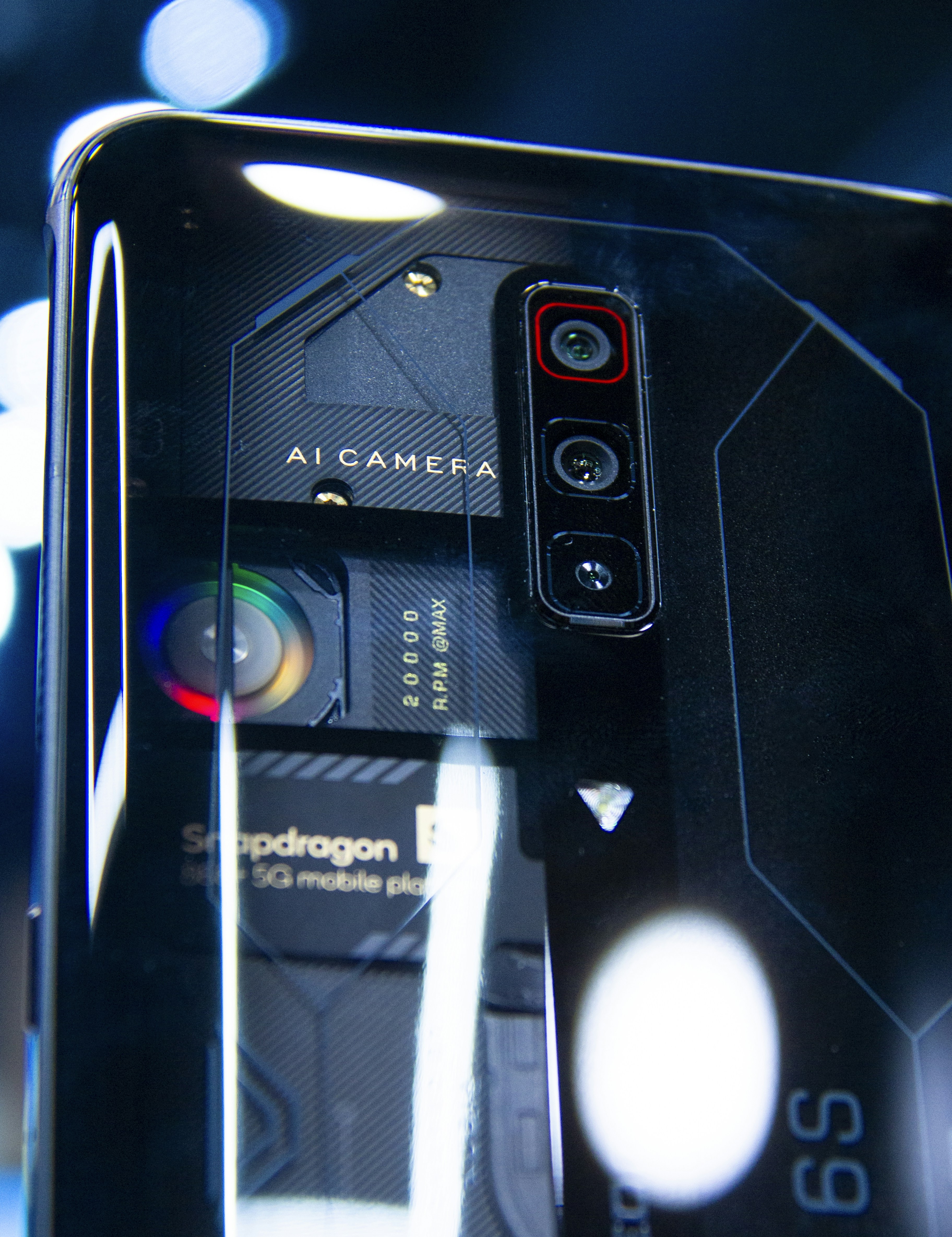
Introduction to the Google Pixel 10
The Google Pixel 10 marks a significant advancement in the realm of smartphones, particularly in the year 2025. As technology continues to evolve, the Pixel line has set industry standards for mobile devices, emphasizing the integration of artificial intelligence (AI) into everyday functionalities. This model illustrates Google’s commitment to enhancing user experience, redefining what consumers expect from a smartphone.
With its innovative AI features, the Google Pixel 10 is designed to optimize various aspects of mobile use, from photography to voice recognition, thereby allowing for a more intuitive interaction. The device promises to elevate standard operations through machine learning algorithms that adapt to user habits. For instance, its camera system, powered by advanced AI, not only captures stunning images but also analyzes scenes to offer tailored enhancements, further showcasing the Pixel 10’s prowess in artificial intelligence.
This smartphone does not merely focus on hardware improvement; it leans heavily towards software ingenuity, ensuring that the device operates with superior efficiency. For consumers seeking advanced technology, the Pixel 10 stands out as a leading option in 2025. Its ability to learn from user interactions enhances its functionality, enabling it to assist in daily tasks seamlessly. Thus, users can expect a device that not only responds to commands but anticipates needs, positioning the Google Pixel 10 as a frontrunner for those in search of an AI-centric smartphone.
Ultimately, the significance of the Pixel 10 extends beyond its specifications; it represents a shift towards increasingly intelligent mobile technology. This review will provide a detailed look at various features and offerings, solidifying the Pixel 10’s standing in the competitive smartphone market.
AI Capabilities: The Future of Smart Technology
The Google Pixel 10 is a remarkable demonstration of the advancements in artificial intelligence technology integrated into smartphones. As the competition among smartphone manufacturers intensifies, the emphasis on AI capabilities has become a focal point, and the Pixel 10 successfully leverages these innovations. One of the standout features of the Pixel 10 is its advanced voice recognition system. This technology enables the device to comprehend and execute user commands with exceptional accuracy, thus enhancing the overall user experience. Users can interact with their smartphones more naturally, making it feel like a seamless extension of their daily lives.
Personalized suggestions are another pivotal aspect of the AI functionality within the Google Pixel 10. The phone learns from user behavior, offering context-aware recommendations that facilitate day-to-day tasks. From predicting the best time to leave for an appointment to suggesting nearby restaurants based on previous selections, this smartphone could significantly enhance productivity and convenience. The AI algorithms analyze data patterns, ensuring that users receive highly relevant suggestions tailored specifically to their preferences.
Moreover, the enhanced camera functionalities that come with the AI capabilities of the Pixel 10 elevate the smartphone photography experience to unprecedented heights. Utilizing machine learning, the camera can now recognize subjects, adjust settings on the fly, and even enhance photo quality through computational photography techniques. Features like Night Sight and Magic Eraser exemplify how AI can transform simple images into stunning visuals by correcting lighting and eliminating unwanted elements. These advancements bolster claims that the Google Pixel 10 stands at the forefront of AI-equipped smartphones, contributing significantly to its status as the leading AI smartphone of 2025.
Design and Build Quality
The Google Pixel 10 showcases a refined design that marries aesthetics with functionality, elevating it to the forefront of smartphones in 2025. At first glance, one notices the sleek contours and premium materials, which incorporate an aluminum frame paired with a textured glass back. This combination not only enhances the phone’s overall durability but also provides a comfortable grip, making it easy to handle. The matte finish of the glass back reduces fingerprints and adds to the phone’s elegant appeal.
One of the most significant design elements of the Pixel 10 is its minimalist approach, characterized by clean lines and a symmetrical layout. Unlike its predecessors, the Pixel 10 shifts towards a more modern design language with a centered camera layout and reduced bezel sizes, maximizing the display area. This 6.4-inch OLED screen boasts vibrant colors and deep contrast, ideal for showcasing the AI-driven capabilities of the device, such as real-time image processing and enhanced video playback. The edge-to-edge display not only enhances the visual experience but also integrates seamlessly with the AI features, enhancing usability through intuitive interface designs.
Furthermore, the ergonomics of the Pixel 10 have been thoughtfully designed. The weight distribution is notably balanced, allowing for prolonged one-handed use without strain. In comparison to previous Pixel models, such as the Pixel 6 and Pixel 7, improvements in design are evident. The Pixel 10 refrains from aggressive embellishments, opting for a sophisticated, understated elegance that appeals to a broader audience. These aesthetic enhancements reflect Google’s ongoing commitment to providing a user-centric experience while retaining the essence of its flagship line.
Display Performance
The Google Pixel 10 showcases a remarkable display performance that is integral to its position as a leading AI smartphone of 2025. Sporting a resolution of 2400 x 1080 pixels, the device offers an engaging visual experience with sharp details and clarity. This resolution enables the display to support high-definition content seamlessly, making it ideal for viewing multimedia, gaming, and utilizing AI-driven applications, where precision is paramount.
Brightness is another critical aspect of the Pixel 10’s display performance. With a peak brightness of 1200 nits, the screen excels in various lighting conditions, ensuring optimal viewing even under direct sunlight. This high level of brightness is essential for improving user experience and maintaining visibility during outdoor activities or bright environments, where competing devices may struggle. Furthermore, the adaptive brightness technology utilized by the Pixel 10 enhances user comfort by adjusting brightness levels according to ambient light, enhancing both battery efficiency and overall usability.
Color accuracy is yet another feature that sets the Pixel 10 apart from other smartphones on the market. The display supports a wide color gamut, allowing for vibrant and true-to-life colors that enhance user engagement when consuming content or interacting with AI applications. This fidelity in color representation is particularly beneficial when utilizing AI features that rely on visual clarity, such as augmented reality (AR) and photography enhancements. The combination of excellent resolution, impressive brightness, and accurate color reproduction collectively contributes to a superior display performance, making the Google Pixel 10 a noteworthy contender in the AI smartphone arena.
Camera Features and Performance
The Google Pixel 10 stands out in the competitive smartphone market, particularly for its remarkable camera capabilities. At the heart of the Pixel 10’s photographic prowess are its AI-enhanced features, which significantly elevate the quality of images produced under a variety of conditions. One of the standout aspects of the camera system is its low-light performance. The device employs advanced computational photography techniques to capture clear and vibrant images in dimly lit environments, outshining several competing models in its class. Users have noted that photos taken during nighttime or in shadowy settings exhibit minimal noise levels and retained details, a feat often only found in dedicated camera equipment.
Furthermore, the Pixel 10 excels in portrait mode, utilizing machine learning algorithms to produce striking images with a professional touch. The selective focus feature, which subtly blurs the background to highlight the subject, is enhanced by the device’s ability to accurately identify edges and skin tones. This results in portraits that not only showcase the subject beautifully but also provide a premium aesthetic that can rival industry leaders.
Real-time editing functionalities on the Pixel 10 contribute significantly to its appeal. Users can adjust exposure, contrast, and saturation while reviewing their shots, allowing for immediate enhancements before sharing on social media platforms. These features, alongside Smart HDR and the device’s unique editing tools, provide a degree of flexibility and creativity that many smartphones struggle to match.
When compared with other leading smartphones in 2025, the Google Pixel 10 consistently demonstrates solid performance metrics and capabilities. The integration of AI in its camera functions positions it as a formidable contender, particularly for photography enthusiasts seeking high-quality imagery. Overall, the emphasis on intelligent photo processing in the Pixel 10 underscores its reputation as the best AI smartphone available, especially within its camera performance sector.
Battery Life and Performance
The Google Pixel 10 showcases impressive advancements in both battery capacity and overall performance, making it a strong contender in the AI smartphone market for 2025. The device is equipped with a robust battery offering a capacity of 4,500 mAh, which is designed to provide users with extended usage time. With this power, the Pixel 10 ensures that it can handle the demands of daily activities, ranging from streaming videos to gaming and intensive multitasking.
One of the notable features of the Pixel 10 is its fast-charging capability. Utilizing the latest charging technology, users can quickly recharge their device, achieving approximately 50% battery life in just 30 minutes. This efficiency not only enhances user experience but also supports the on-the-go lifestyle many users maintain today.
The integration of artificial intelligence plays a crucial role in power management. The Pixel 10 employs intelligent algorithms that analyze user habits and adjust settings accordingly to optimize battery life. For instance, when the smartphone detects that it has low battery, it may automatically reduce screen brightness or limit background activity to conserve energy without sacrificing performance. This AI capability ensures that users get the most out of their battery while maintaining the functionality that they have come to expect from a smartphone.
However, it is essential to consider that heavy utilization of AI features, such as voice recognition and real-time translation, can place additional strain on the device’s performance. While the Pixel 10 is designed to handle these tasks efficiently, users may notice a slight decrease in battery life when these capabilities are employed frequently. Nevertheless, the overall performance remains consistently smooth, solidifying the Pixel 10’s reputation as an exceptional AI smartphone.
Software and User Interface
The Google Pixel 10 operates on the latest version of Android, showcasing a refined user interface that enhances overall usability. The integration of artificial intelligence (AI) within the operating system elevates the smartphone experience, providing users with smart predictions and personalized suggestions that streamline daily tasks. Whether it is through the enhanced voice recognition capabilities or the intelligently curated app suggestions, the Pixel 10 leverages AI to create a seamless interaction between the user and the device.
The user interface is known for its clean design, making navigation intuitive for both new and experienced users. With a focus on minimalism, the layout presents users with essential features at their fingertips, ensuring an unobtrusive experience. Notable accessibility features ensure that everyone can utilize the full potential of the Google Pixel 10. Voice commands, screen readers, and customizable display options serve to accommodate various user needs, making the device highly inclusive.
Frequent software updates are a hallmark of the Pixel line, and the Google Pixel 10 is no exception. Google promises timely updates that not only enhance security but also introduce new features that optimize performance. This commitment to keeping the software current ensures users benefit from the latest advancements in technology.
Additionally, the AI enhancements in the software extend beyond functionality. They include features such as adaptive battery management, which learns user habits and optimizes power consumption accordingly. This intelligent system allows for improved battery life without compromising performance, a significant benefit for users who rely on their smartphones throughout the day.
Overall, the software experience on the Google Pixel 10, combined with its user-centric design and robust AI features, positions it as a frontrunner in the realm of smartphones. The integration of advanced technology into a cohesive user interface underscores the device’s appeal, making it a strong candidate for the title of the best AI smartphone of 2025.
Pros and Cons of the Google Pixel 10
The Google Pixel 10 stands out in the smartphone market in 2025, particularly due to its robust artificial intelligence capabilities and seamless integration with Google’s ecosystem. One of the most notable strengths is its enhanced camera system, powered by advanced AI algorithms, which significantly improves photo quality and provides users with features like Night Sight and Magic Eraser. This allows users to capture high-quality images in various conditions and enhance or remove unwanted elements effortlessly.
Another key advantage of the Pixel 10 is its software experience. The device runs on a clean version of Android, ensuring timely updates and a bloatware-free environment. Furthermore, the integration of language processing features streams smooth interactions with Google Assistant, making voice commands more efficient and intuitive.Altogether, these AI-driven functionalities enrich user experience and increase overall productivity.
However, the Google Pixel 10 is not without its drawbacks. One significant weakness is the battery life, which, while decent, may fall short for users who prioritize long-lasting performance. Despite ongoing improvements, the battery may drain faster than competing models, especially when leveraging its extensive AI capabilities. Additionally, the device’s design may not appeal to everyone, as it offers a rather conservative aesthetic compared to rival brands that often push the envelope with bold designs and materials.
In summary, while the Google Pixel 10 excels in leveraging AI technology for superior photography, user interface, and regular software updates, potential buyers should consider its limitations, such as battery performance and design preferences. Balancing these pros and cons will help consumers make informed decisions that best suit their individual needs and lifestyle.
Is the Google Pixel 10 Worth It?
The Google Pixel 10, launched in 2025, has gained considerable attention for its advanced features and remarkable AI capabilities. When evaluating whether the Pixel 10 is worth the investment, it is crucial to analyze its pricing in relation to the features and performance it offers. Priced competitively within the premium smartphone market, the Pixel 10 distinguishes itself not just through its hardware, but significantly through its software powered by artificial intelligence.
One of the standout features of the Pixel 10 is its AI-driven camera capabilities. The advanced computational photography ensures that users can capture stunning images even in challenging conditions. This is particularly advantageous for photography enthusiasts or individuals who frequently rely on their smartphones for high-quality images. Additionally, the inclusion of AI in features such as voice recognition and predictive text further streamlines user interactions, making the smartphone experience more intuitive.
The performance of the Google Pixel 10 underlines its reputation as a high-end smartphone. With a robust processor and ample RAM, it handles multitasking with ease, catering to users who juggle various applications simultaneously. Furthermore, the integration of AI in system optimization enhances battery life and app management, thus appealing to power users who require longevity without constant recharging.
Ultimately, the Google Pixel 10 is particularly beneficial for tech-savvy individuals who value innovation and superior camera quality. For users who prioritize AI features, seamless integration, and overall performance in their daily tasks, the investment in the Pixel 10 is justifiable. However, for those who use a smartphone for basic functionalities, the price point may not align with their needs, making it essential to weigh the advanced features against personal usage requirements.
Conclusion and Final Thoughts
In reviewing the Google Pixel 10, it becomes increasingly clear why it stands out as a prime contender for the title of the best AI smartphone of 2025. Throughout this article, we examined its exceptional features, including cutting-edge camera capabilities, advanced AI-driven functionalities, and an intuitive interface that elevates the user experience. The integration of artificial intelligence into everyday applications has certainly redefined what consumers can expect from their mobile devices.
One of the most compelling aspects of the Pixel 10 is its camera, which utilizes AI to deliver stunning photography results, even in challenging lighting conditions. This innovation not only caters to photography enthusiasts but also to casual users seeking to capture life’s moments seamlessly. Moreover, the smartphone’s AI-enhanced performance optimization ensures that it remains responsive and efficient, even when multi-tasking or using resource-demanding applications.
Another notable feature is the AI-driven personal assistant, facilitating an effortless interaction between the user and their device. This feature streamlines daily tasks, setting reminders, and managing schedules with unprecedented accuracy and ease. The combination of hardware and software creates an ecosystem that is not only user-friendly but also highly effective in responding to real-time demands.
Ultimately, the Google Pixel 10 represents a significant leap in smartphone technology, highlighting the potential of AI in transforming user interactions with their devices. As we conclude this review, it is evident that the Pixel 10 not only meets but also exceeds expectations. For those in the market for a smartphone that embodies innovation, performance, and cutting-edge technology, this device is undeniably worth considering. If you are contemplating an upgrade, we encourage you to explore purchasing options through our affiliate links for the best deals available.

- Google Pixel 10 is the everyday phone unlike anything else; it has Google Tensor G5, Pixel’s most powerful chip, an incr…
- Unlocked Android phone gives you the flexibility to change carriers and choose your own data plan[2]; it works – Google …
- The upgraded triple rear camera system has a new 5x telephoto lens – up to 20x Super Res Zoom for stunning detail from f…


